
Tryon Arts & Crafts School Presents 2 Solo Exhibitions:
Crista Cammaroto
Gradation of Earth: Terra Forma & Terra Flora
and
Michael Kline Pottery
PUBLIC RECEPTION: Thursday, August 14, 2025, 5:30-7 PM, Speaker scheduled to begin at 6pm
RUNTIME: August 15 – October 9, 2025
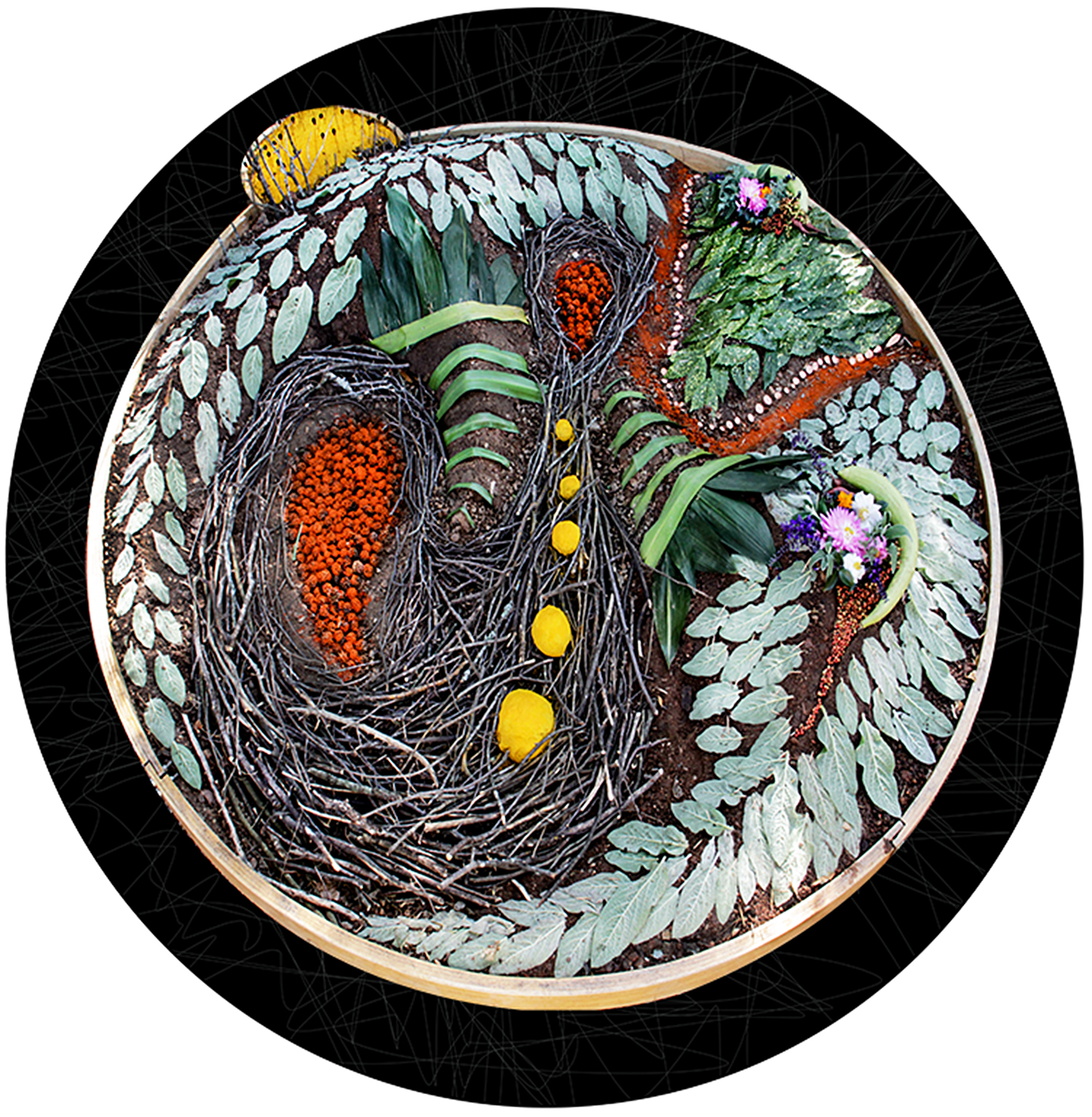
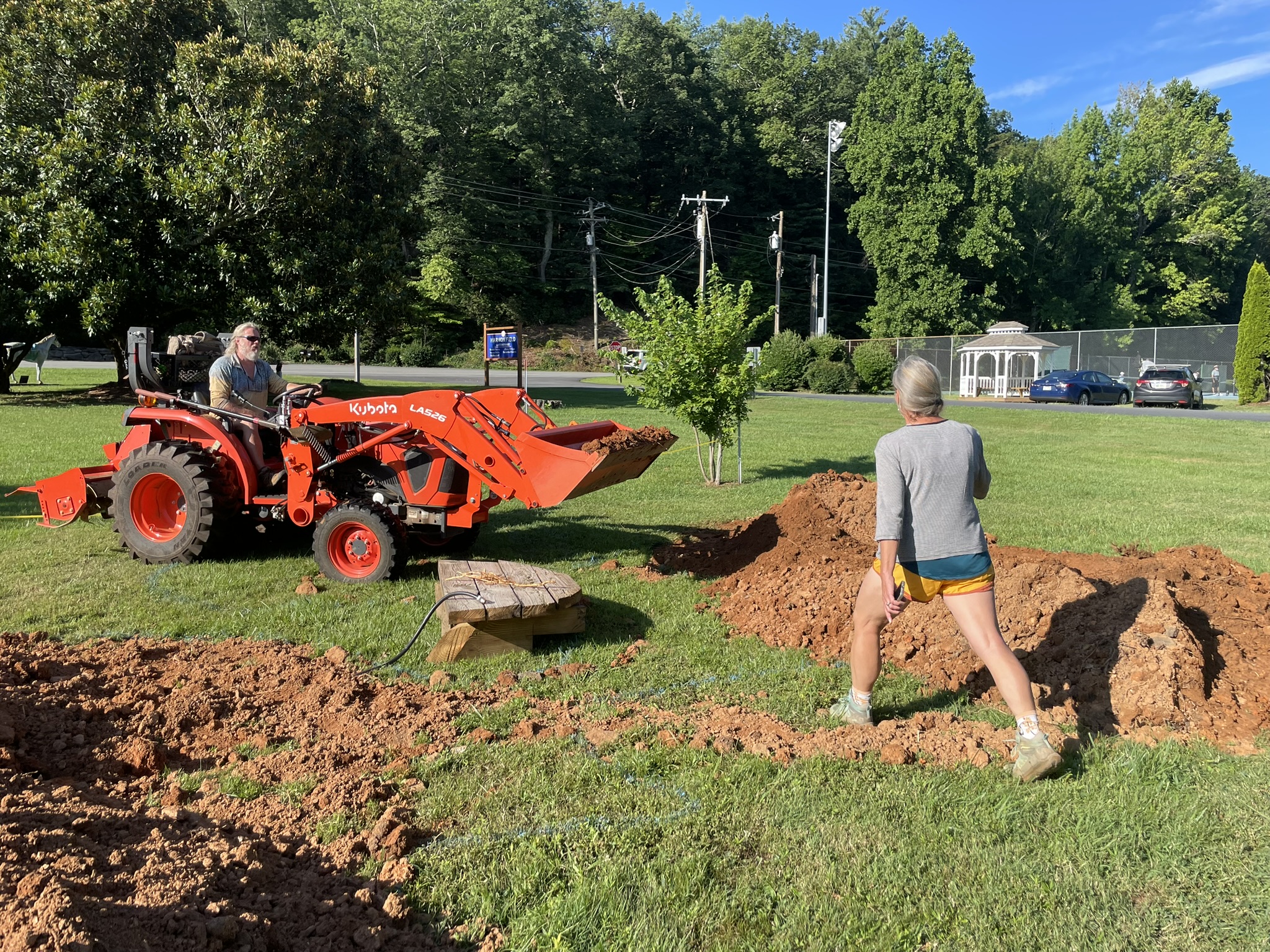
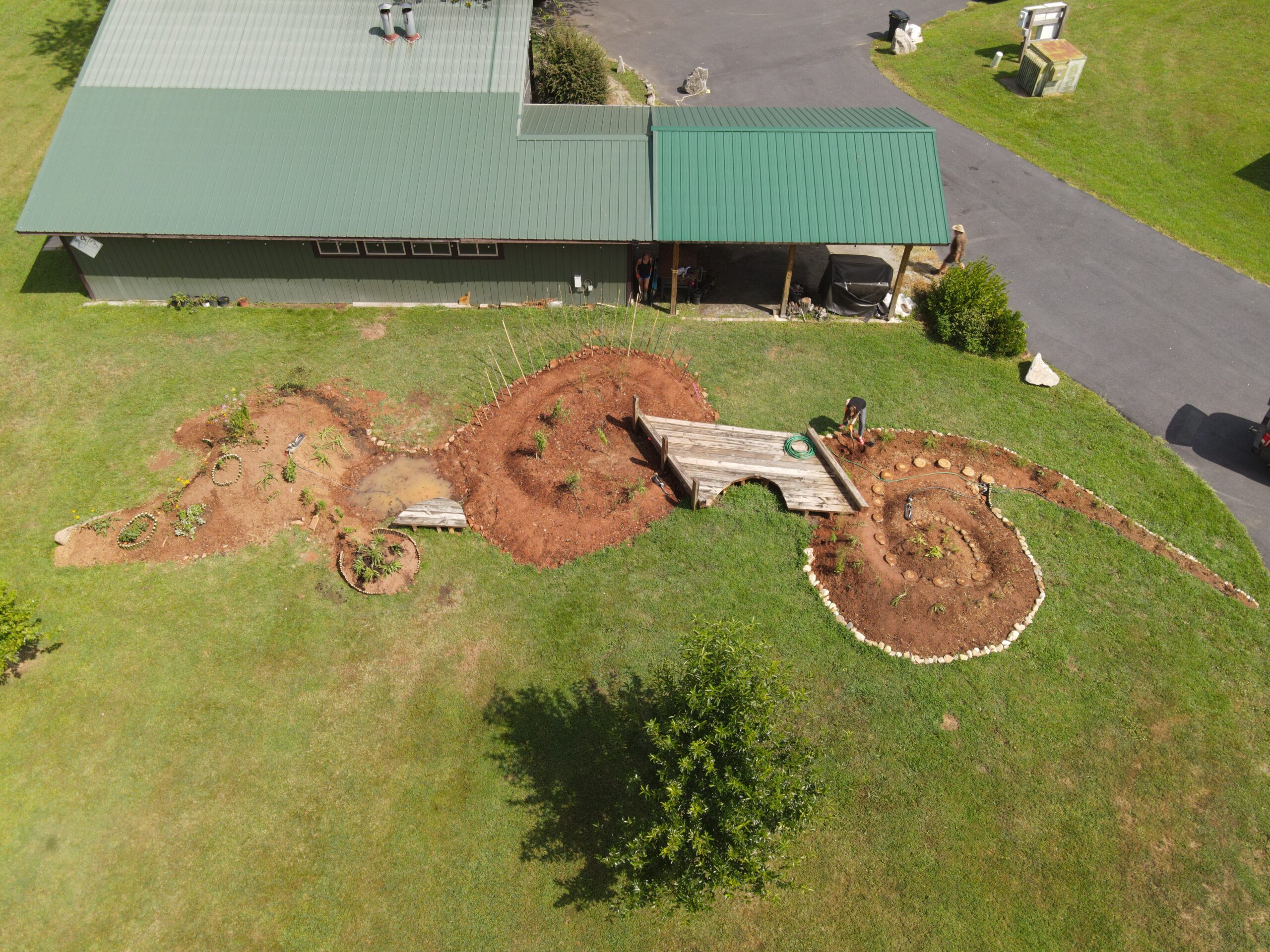
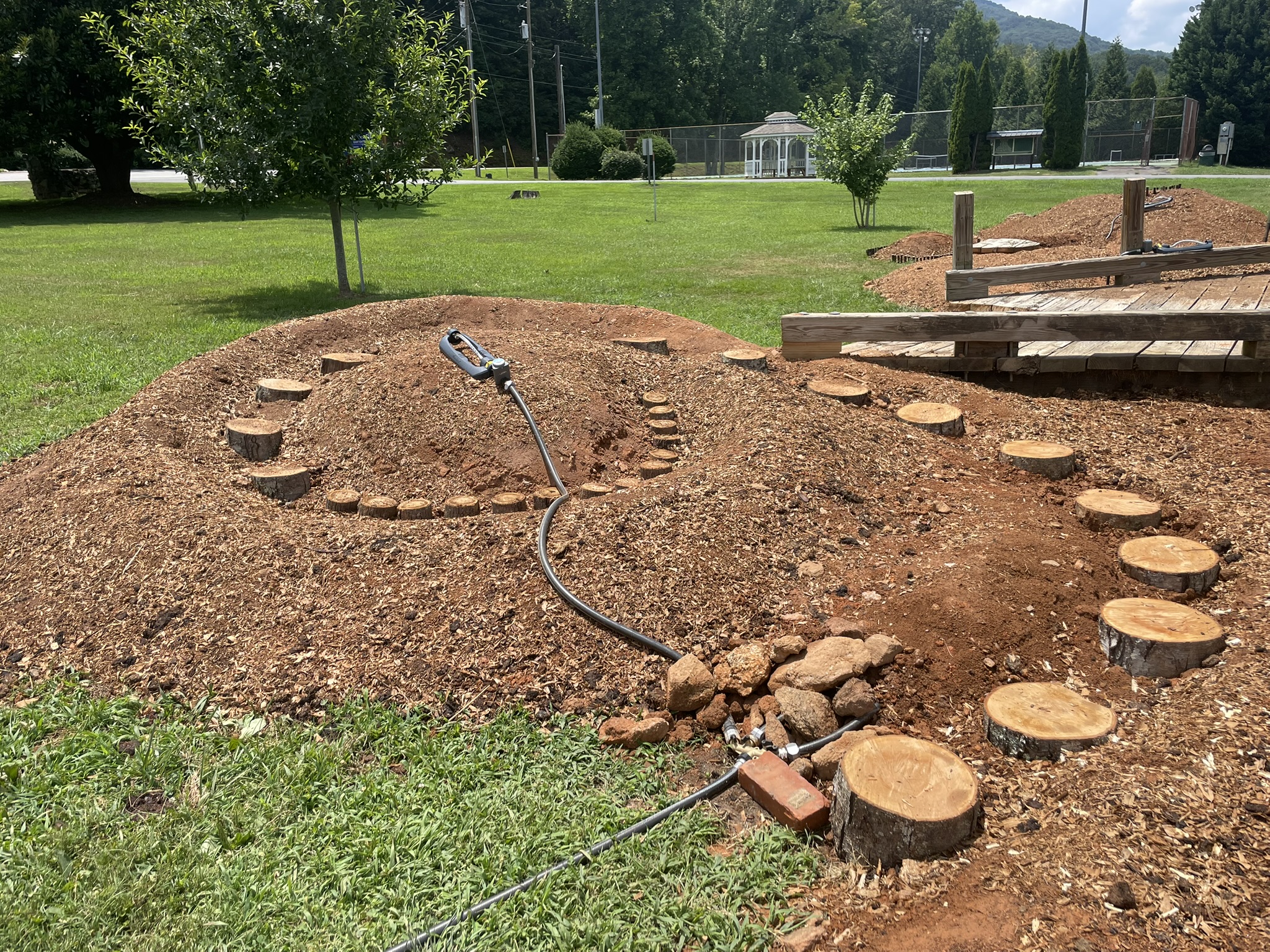
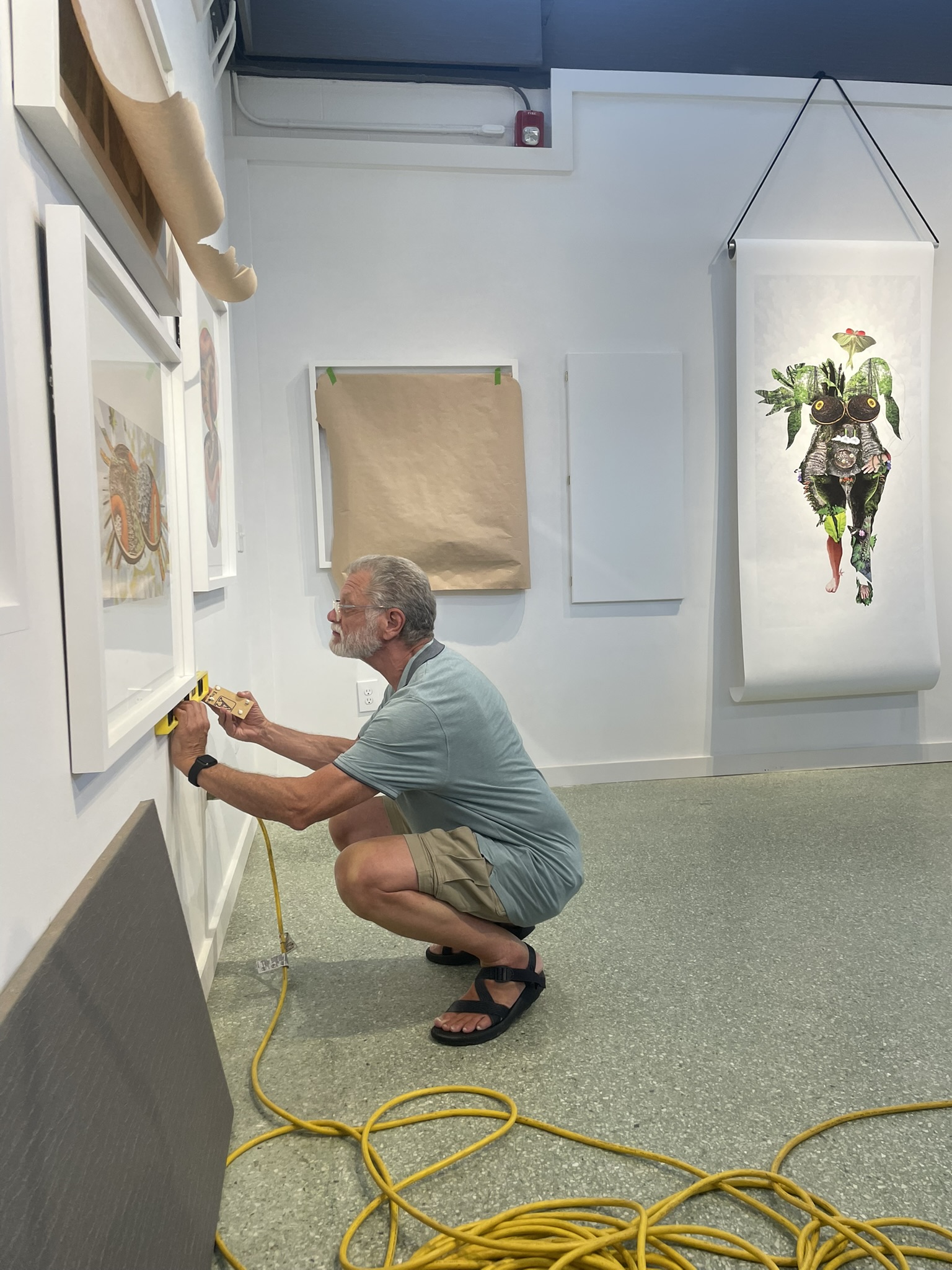
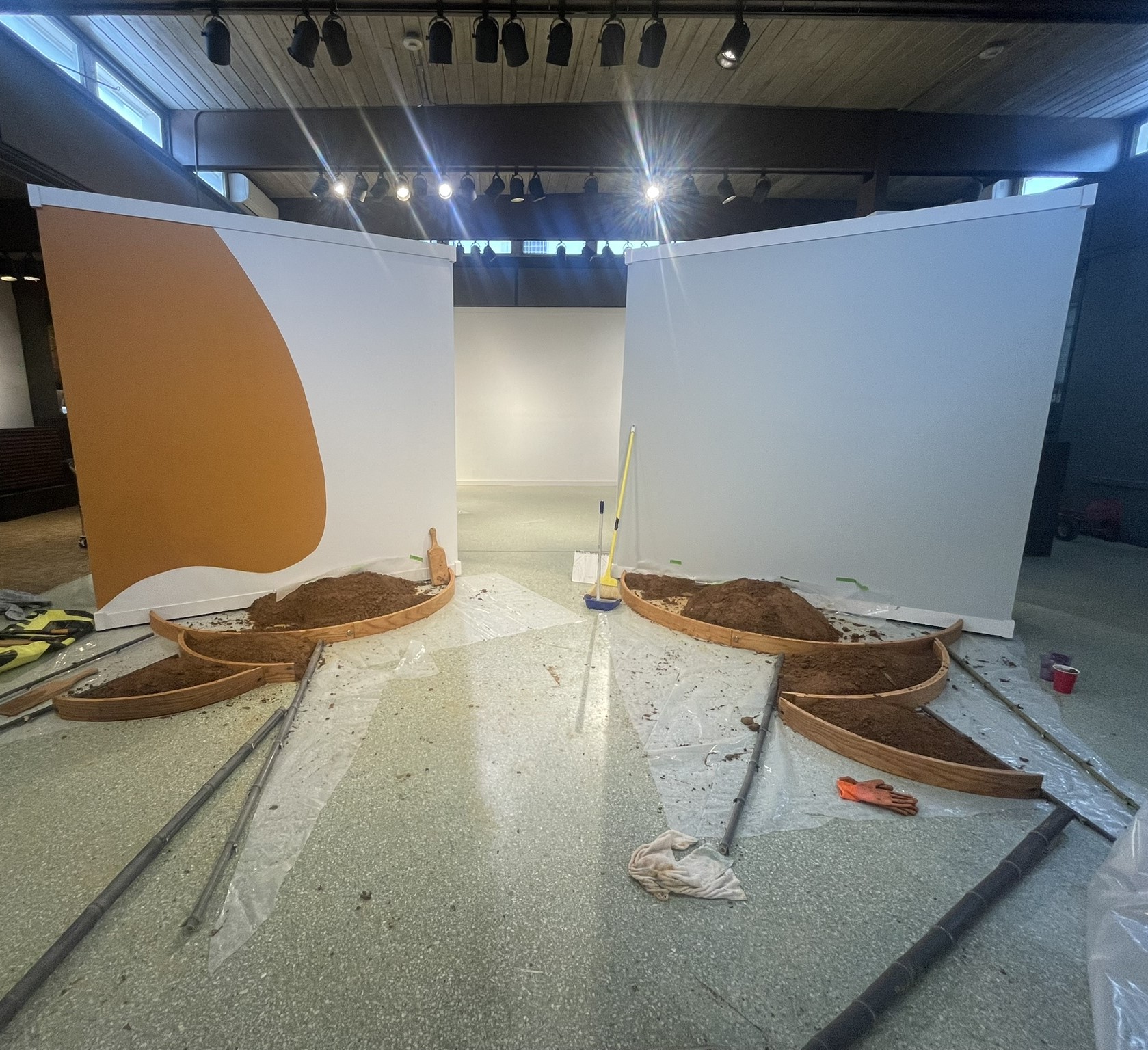
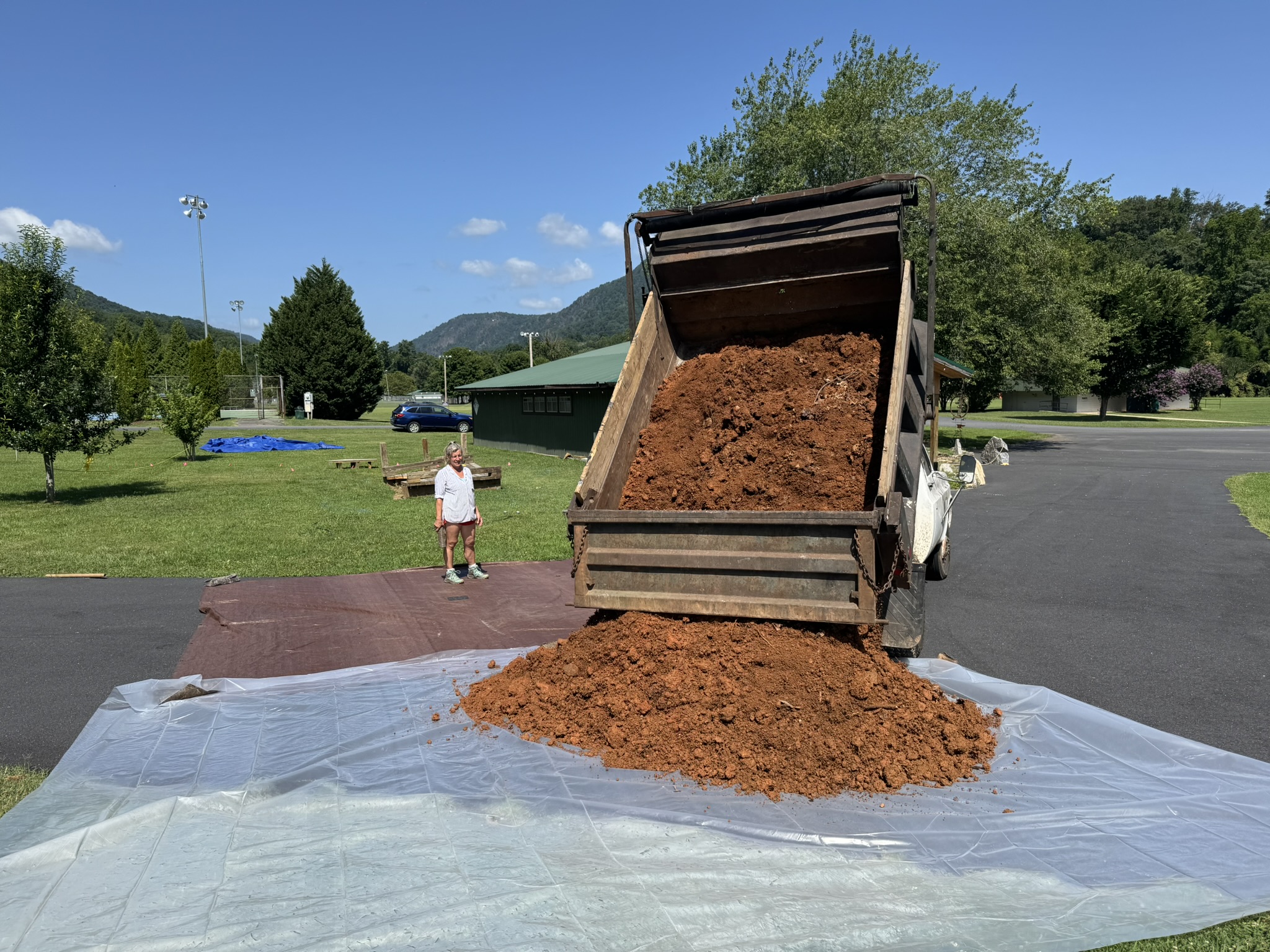
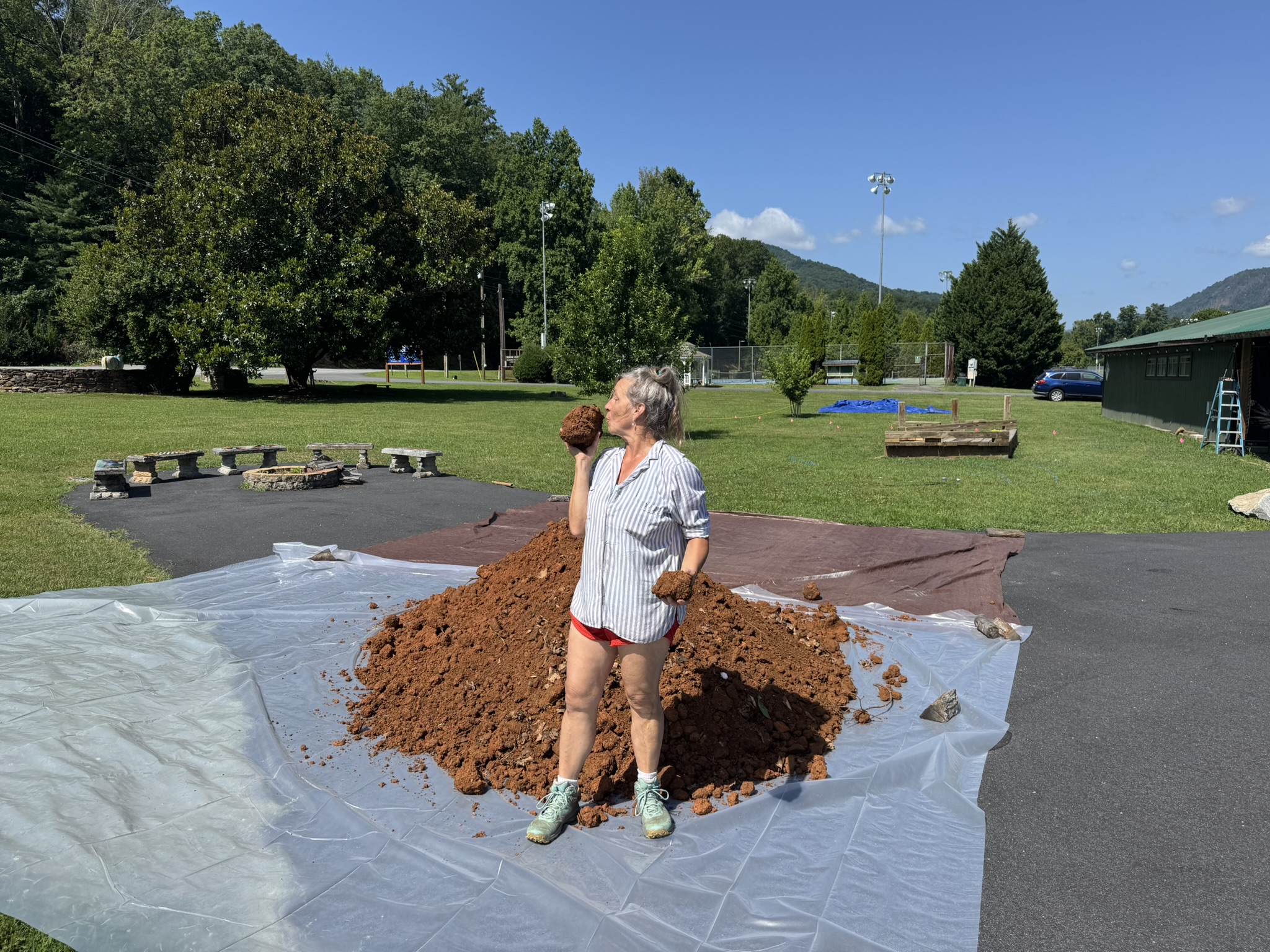
Tryon Arts & Crafts School will feature Crista Cammaroto’s Terra Forma series, which explores themes of nature and transformation through photo montages and installations constructed from local, organic materials. Her work often incorporates elements like driftwood, stones, and flora collected from the environment, creating immersive experiences that reflect the interplay between art and nature. In addition to an indoor installation, she will have an outdoor earthwork to memorialize Hurricane Helene. It will include debris and a repurposed wooden boardwalk that traveled from one side of the park where TACS is located to the other side, hundreds of yards away.
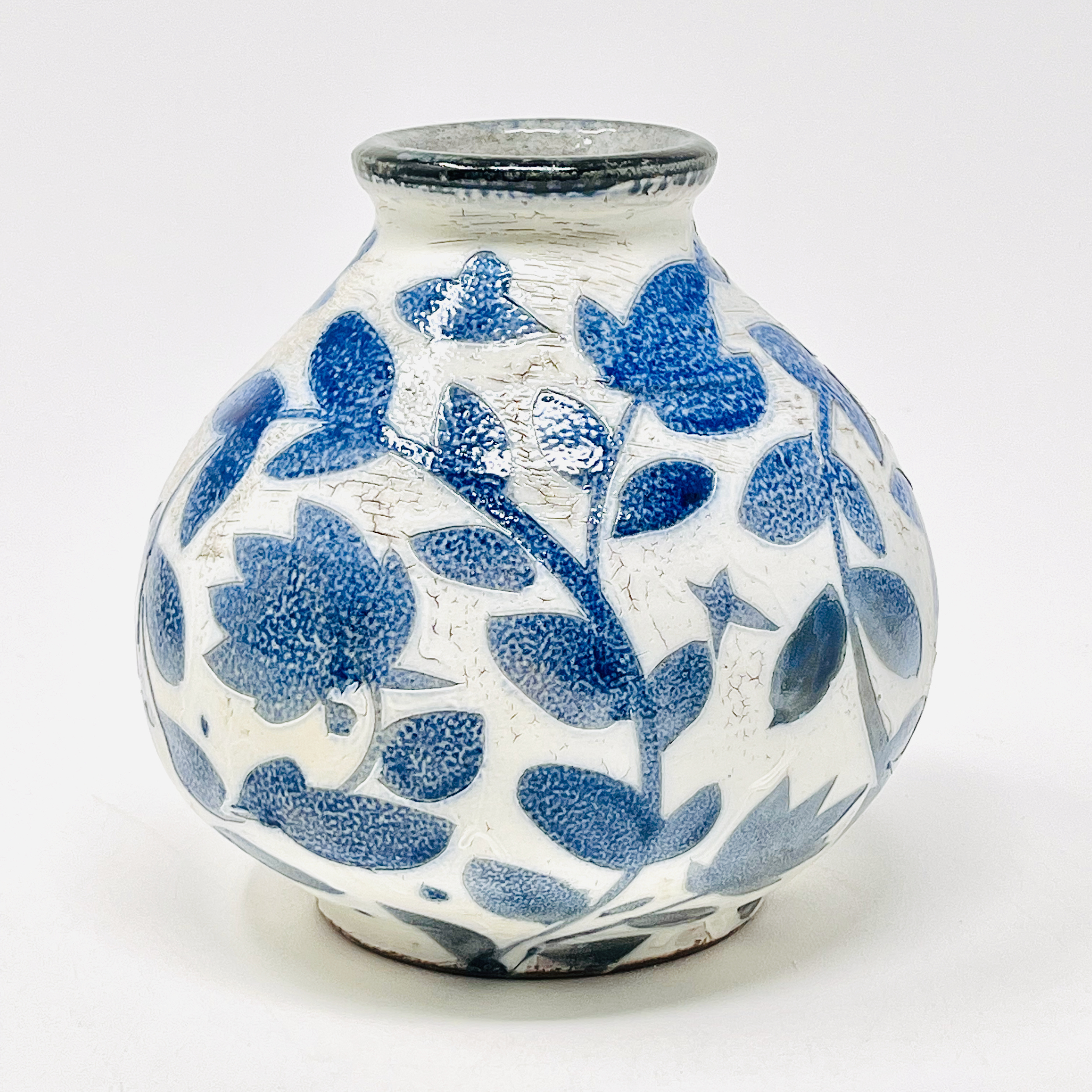
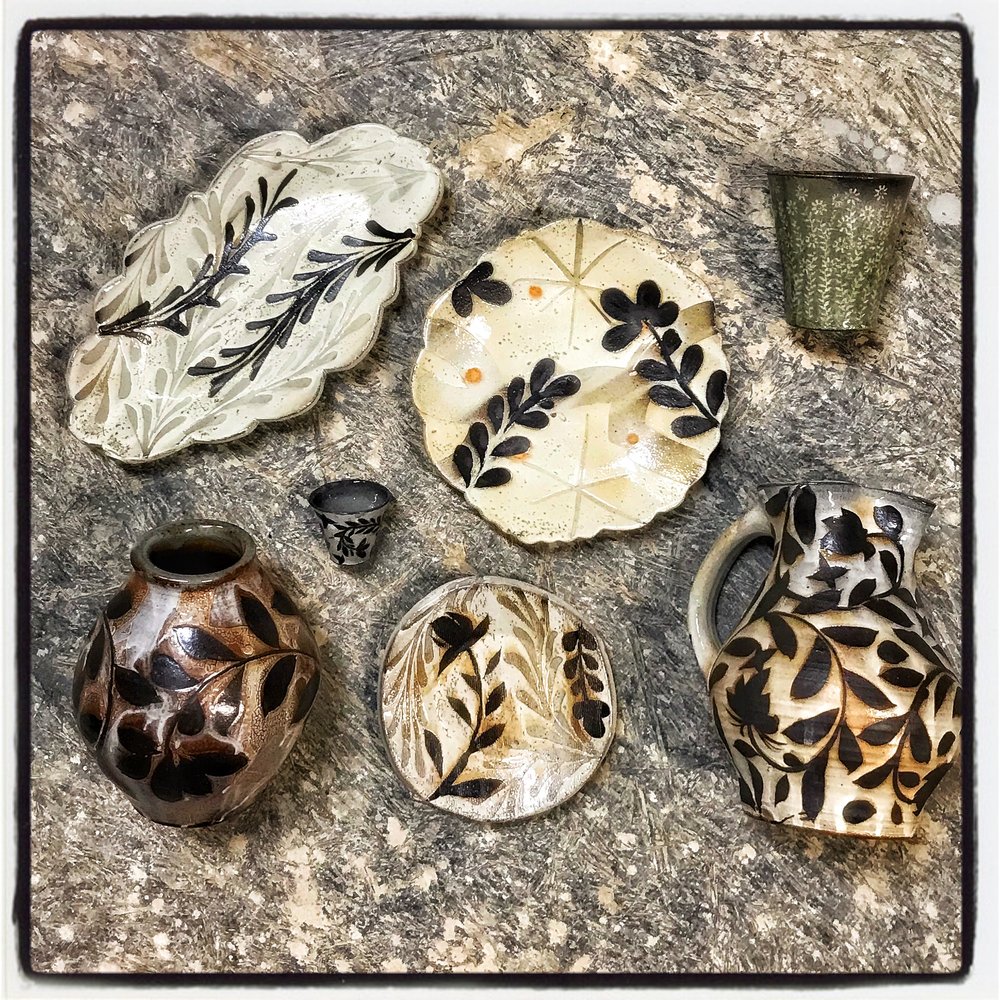
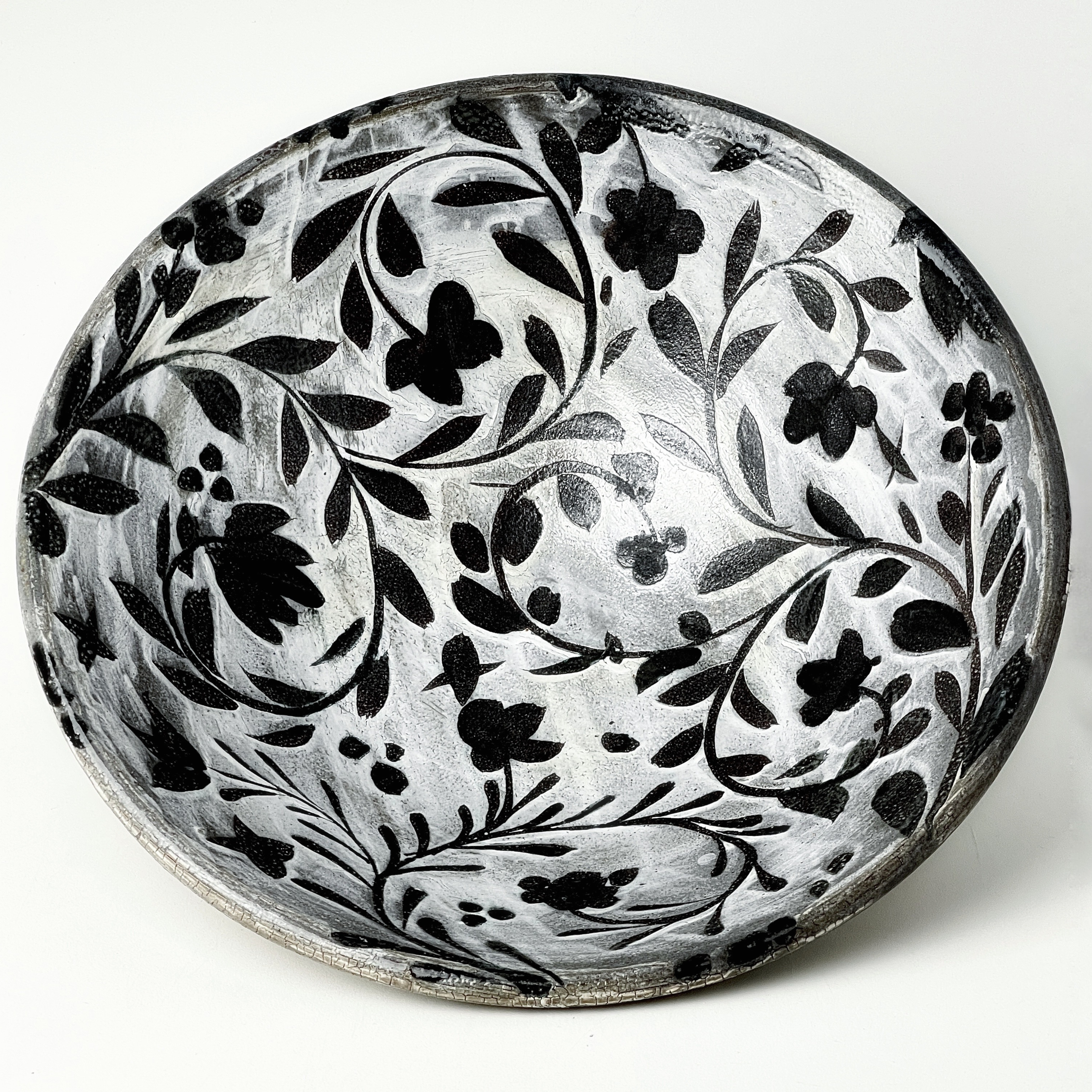
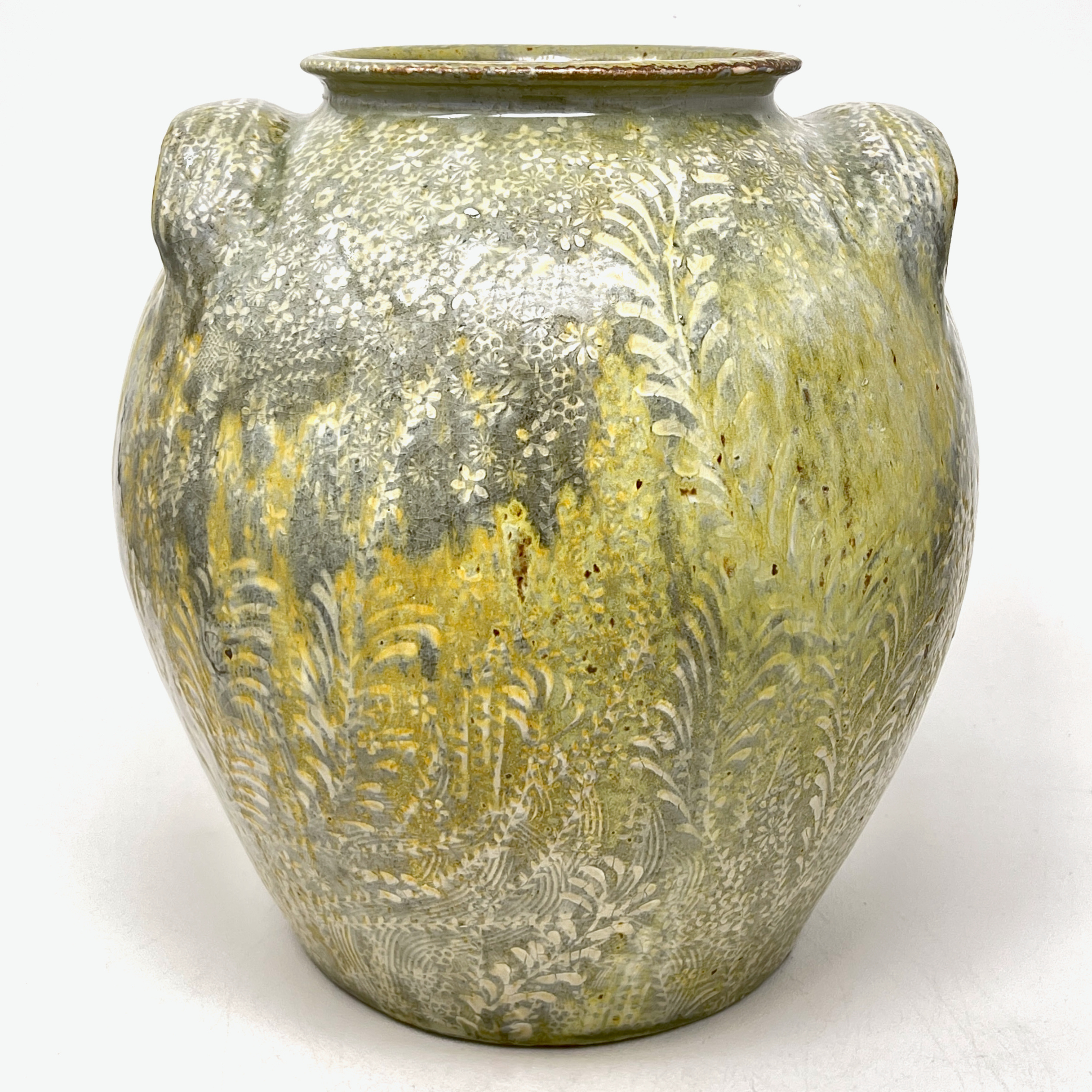
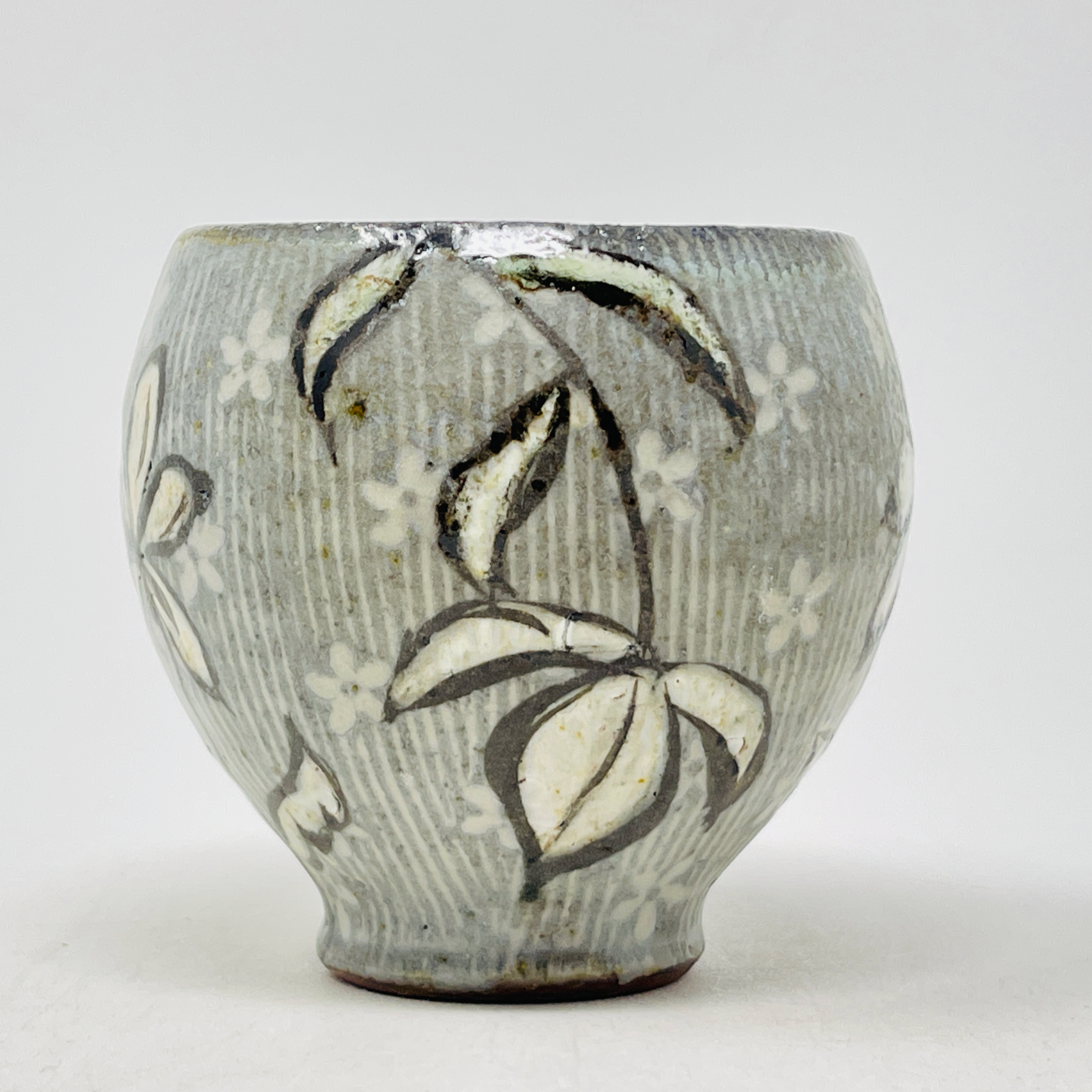
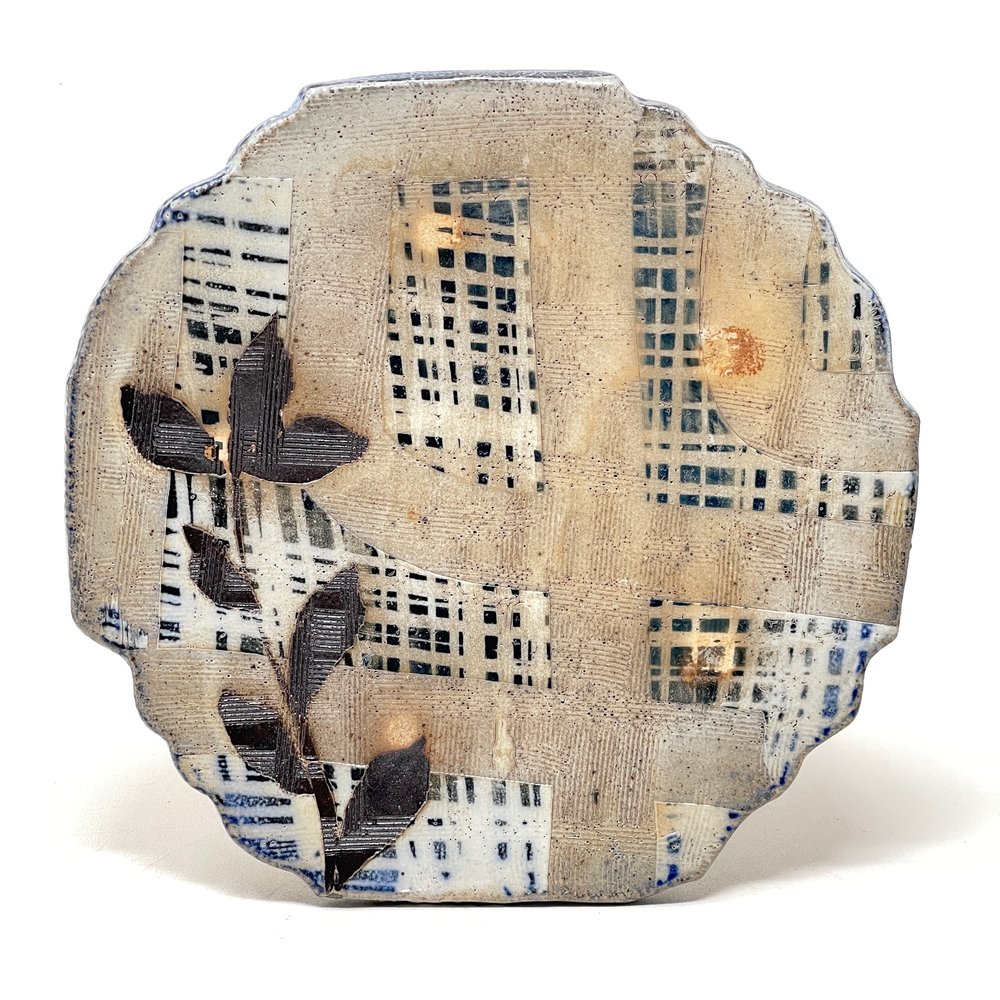
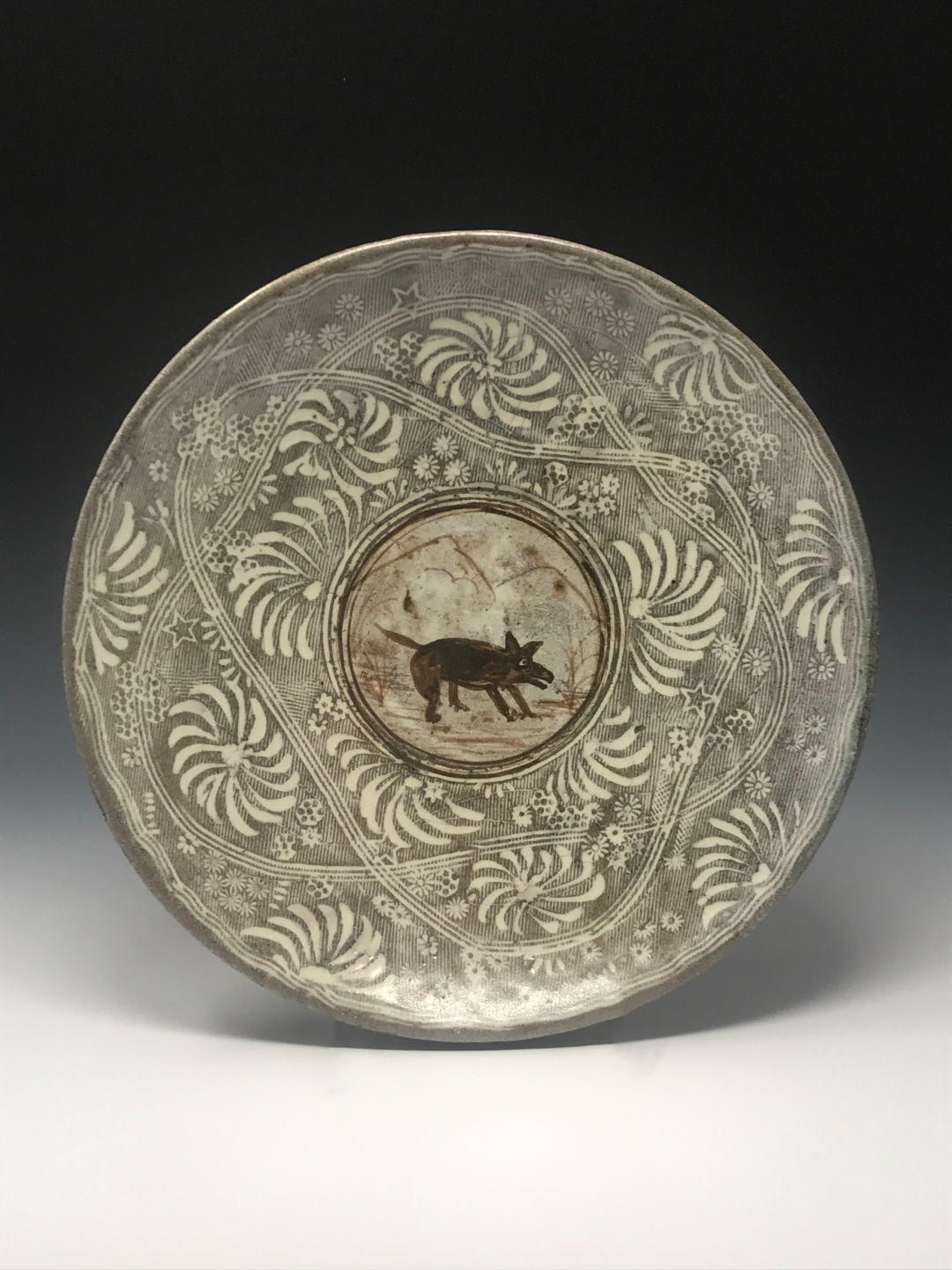
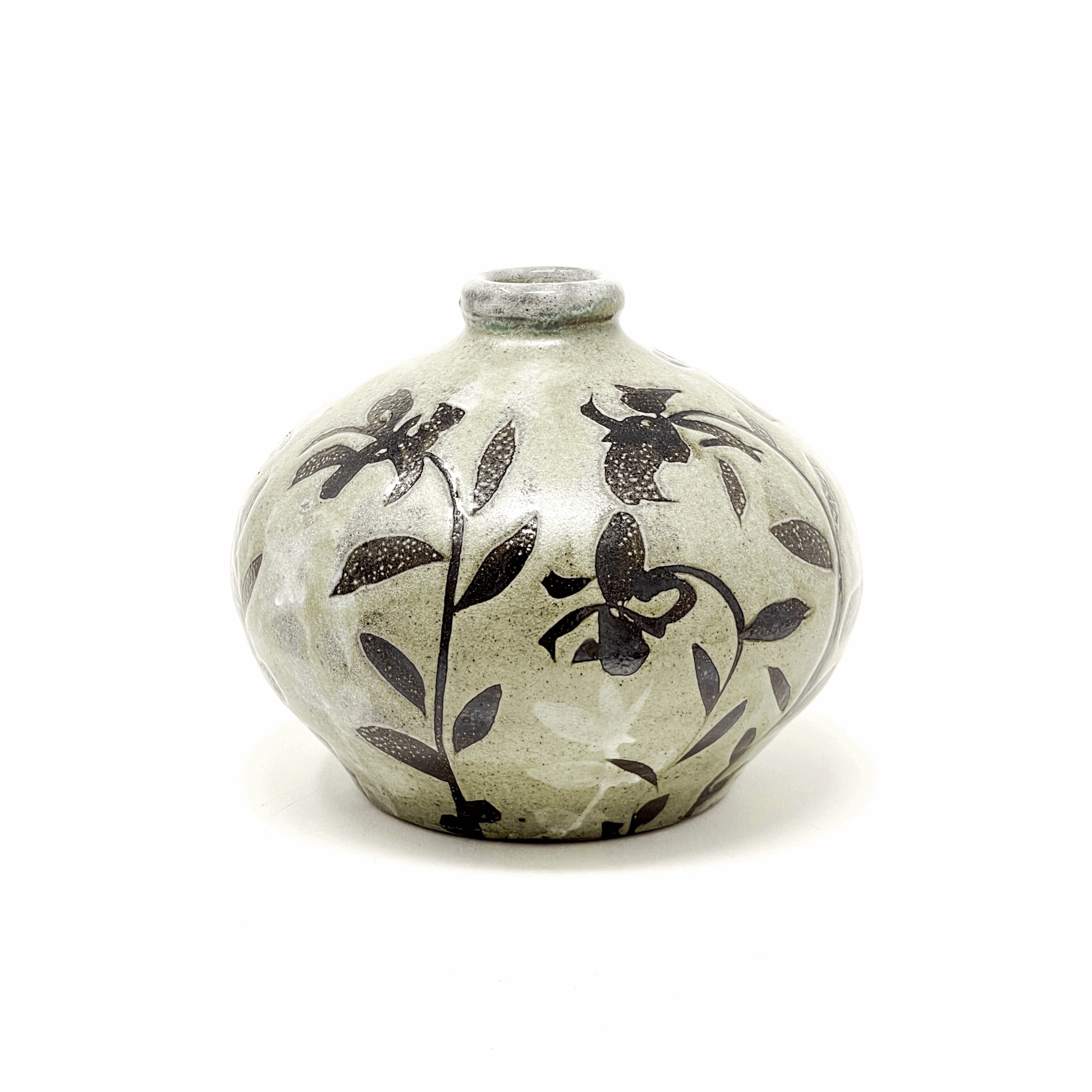
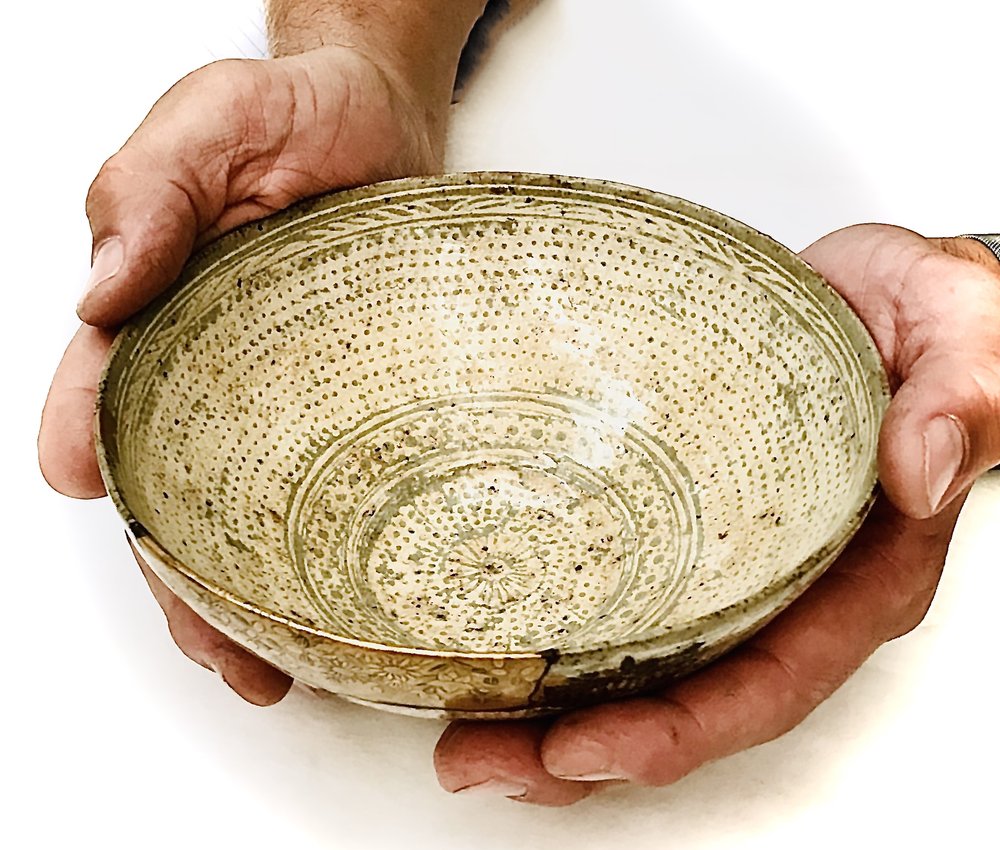
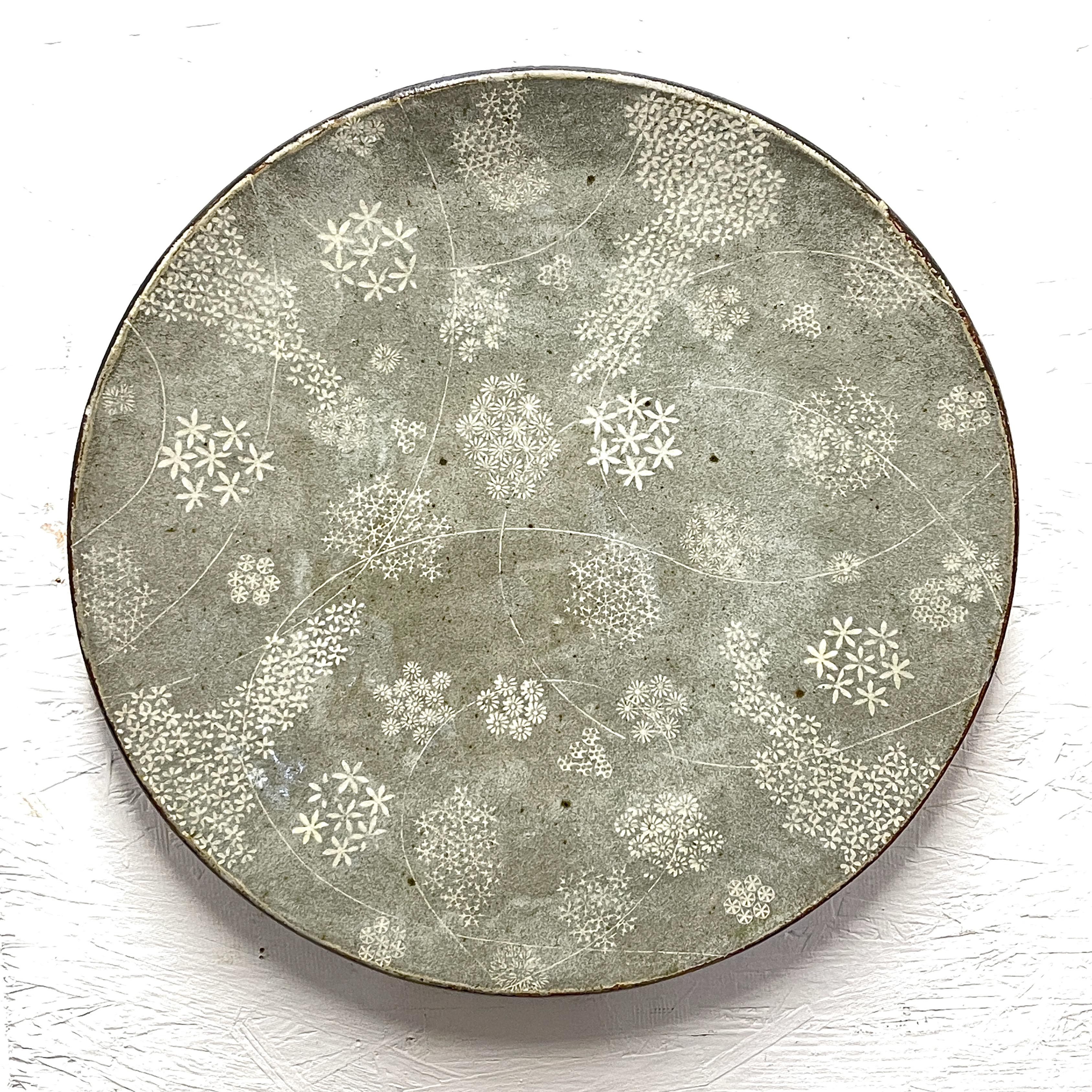
Presented alongside Cammaroto’s exhibition, TACS will feature a complementary exhibit of pottery by esteemed Penland, NC, ceramic artist Michael Kline, creating a unique artistic dialogue. Kline is celebrated for his masterful utilitarian ceramics, often wood-fired salt-glazed stoneware with organic patterns and rich textures. Inspired by traditional North Carolina pottery as well as techniques from other parts of the world, his current work often features intricate, botanical-themed stamped and inlaid surfaces developed from the Korean sanggam method. Kline’s pieces imbue a robust connection to the earth and serve as a thoughtful counterpoint to Cammaroto’s installations, highlighting the beauty and strength found in both meticulously crafted objects and natural forms.

Crista Cammaroto
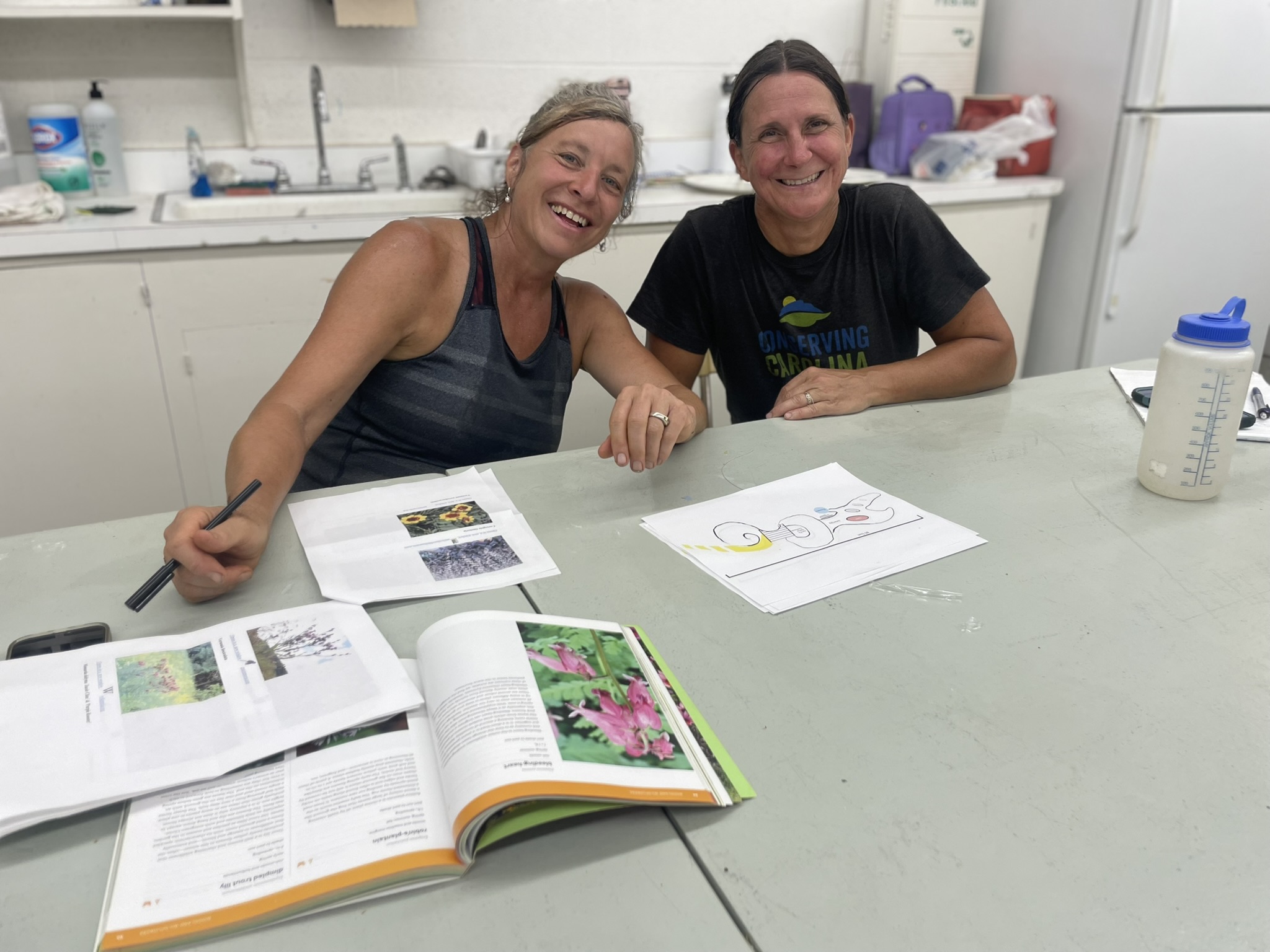
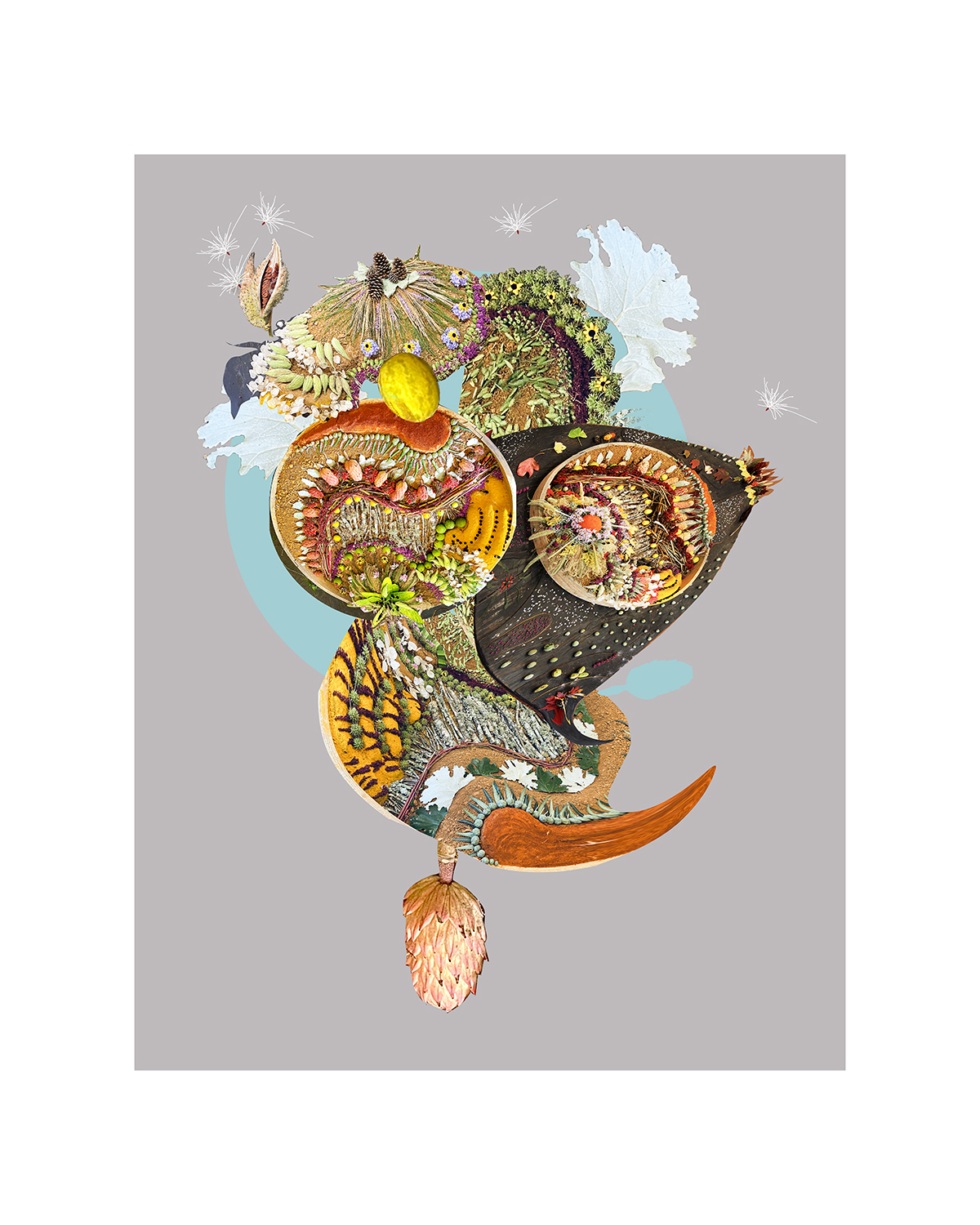
Earth artist Crista Cammaroto of WNC will be bringing her Terra Forma series to Tryon Arts & Crafts School, beginning this July! Moved by Hurricane Helene and the devastation it brought to our area, she plans to create an outdoor installation in addition to her unique archival prints of temporal earthworks.
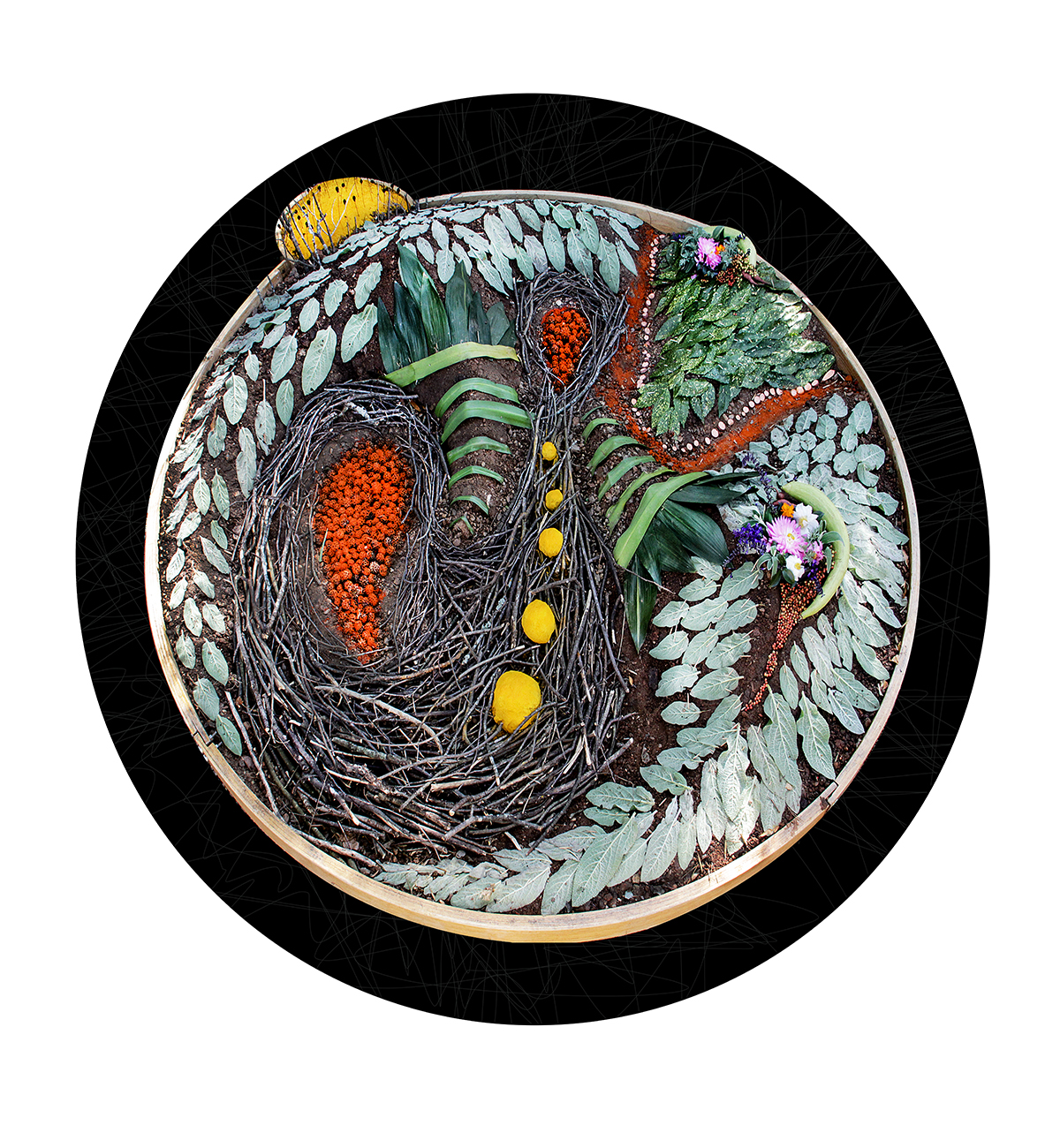
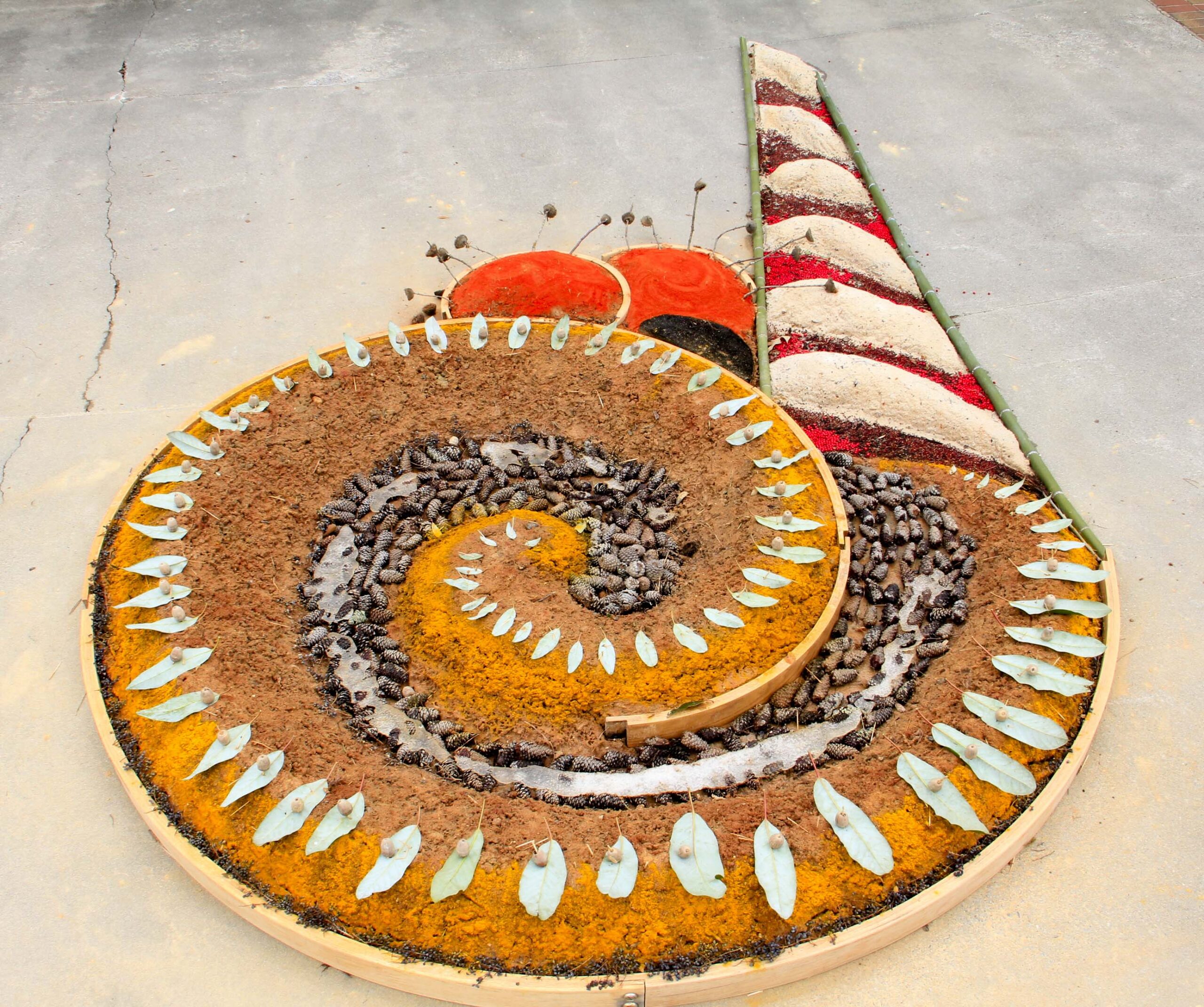
“The Terra Forma series began in 2016 and continues today, it was born from a need to engage myself and others with our own sustenance, the earth. I pull forms out of the existing environment and site, gathering natural objects from our subliminal background and placing them into a designed foreground experience for the viewers. I begin these terra forms as a sensing of place, restricting myself to what nature provides as materials for each form and working primarily within an imposed spherical boundary as a planetary referent.
The work harkens back to the meaningful intentions of rituals such as Navajo sand paintings and Tibetan mandalas but also rises out of my own desire for a spiritual/creative practice to foster a intimate connection to the earth. Other musings for this work are derived from enthusiasm as a gardener, environmentalist, and for community. I lean into a creative labor, temporarily moving and manipulating the dirt on site by digging and molding the earth. The process becomes a very physical meditation and a collaboration. I later place collected flora and playfully, obsessively, re-arrange the nature of our background into a design of the foreground. I work with the elements and weather of the day, the invasive and the native plants, dead and alive; I work primarily with what is. I also employ the additional use of colorful spices on these localized forms, allowing me to enhance or contrast the aesthetics inherent to the surrounding nature. Within weeks or days, I lift my bent oak perimeters and all elements are sifted back into their place of origin.
As an artist with a long history in photography, digital manipulation, performance art and installation, my practice of creating forms from an authentic relationship to the earth fuses all mediums. The heightened moment of completion is photographed and becomes an archival print, an artifact of the momentary (or temporal moment). Making in places where others circulate ‘outside’ is a significant performative aspect to my work. I often place forms in high circulation areas and leaving collected found materials where people would feel comfortable adding to each Terra Form. Sometimes I invite specific groups or pedestrians to work with me or refresh the work with newly collected foliage in the following days. The experience is to be shared, changed and felt by others, with the hopes of inspiring a deeper engagement to the sophistication and balance of the natural world. After years of separating ourselves with climate controlled lodging and impervious surfaces, this “Terra Forma” series seeks to encourage others to feel the air that is, the leaves that tremble, and the earth beneath their feet.”
– Crista Cammaroto, revised summer 2020
Michael Kline Pottery
Michael Kline makes utilitarian ceramics with botanical-themed painted and stamped surfaces. For most of his career, Kline has worked with wood-fired salt-glazed stoneware, usually with organic patterns painted on a thick white slip surface, glass”runs,” and an alkaline ash glaze. As a resident at Penland (1998 – 2001), he began making large pots inspired by the traditional stoneware of Catawba Valley and Seagrove, North Carolina. He also briefly experimented with translucent porcelain in 2000, the floral patterns becoming a raised, topographical feature. In 2015 he visited the Smithsonian’s National Museum of Asian Art and was struck by 15th C. examples of the Korean sanggam technique. Since then, he has focused on applying this technique to his own work and aesthetic, creating floral stamps and inlaying the impressions with white slip on a dark stoneware base, and firing in a gas kiln. This body of work currently makes up a third of his output. Kline’s work is consistently identifiable in its delicate pattern systems contrasted with robust forms and somewhat coarse materials.
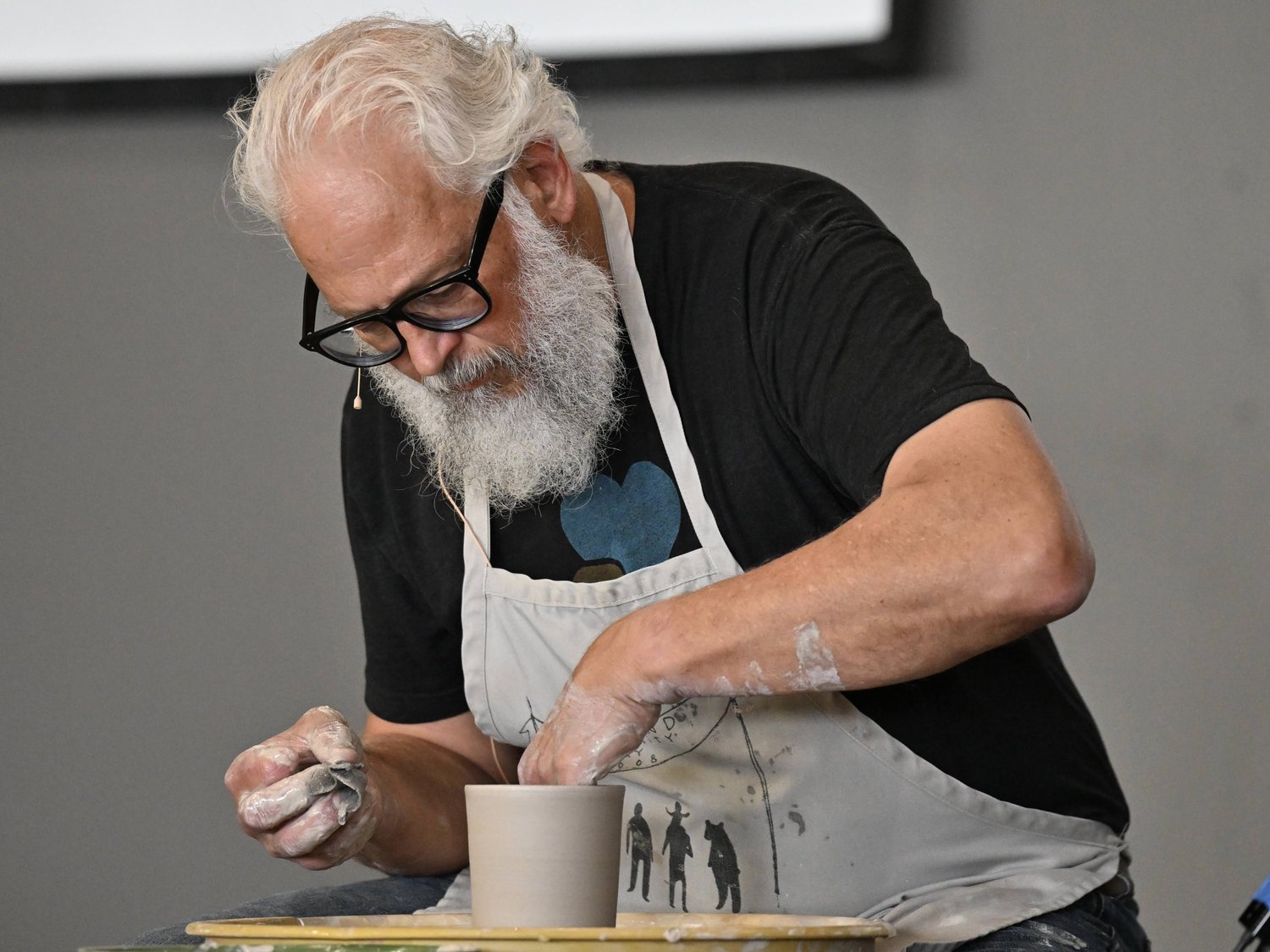
Kline began working with clay in college, and while he initially pursued a civil engineering degree, he graduated with a BFA in Ceramics in 1986. He taught at the Westside YMCA in New York (1986 – 1989) before attending a Michael Simon Workshop at Penland School of Crafts (Penland, NC) in 1989. Following the workshop, he became a full time studio potter, sharing a work space with Mark Shapiro and Sam Taylor in Western Massachusetts (1988 – 1998). In 1998, he came back to Penland as a Resident Artist. Following his residency, he set up a studio in nearby Bakersville, where he continues to work today. He has taught numerous workshops across the country, and in 2000 was a presenter at the Utilitarian Clay Conference at Arrowmont School of Crafts (Gatlinburg, TN).
TACS’s annual sponsor is New View Realty. Additional event and general sponsors include Overmountain Vineyards, Nature’s Storehouse, and Tryon Theatre. TACS also gratefully acknowledges ongoing operational support from the Polk County Community Foundation, North Carolina Arts Council, and the Community Foundation of Western North Carolina.